
THE WORLD IS A MESS.
אסטרטגיה, מערכות, אוטומציה ו-AI, בסדר הנכון.
יעילות אמיתית מתחילה באופן שבו העסק שלכם פועל,
לא באילו כלים הוא משתמש.
לקוחות שסומכים עלינו












אפליקציות ומערכות מותאמות אישית, אוטומציות, בניית סוכנים שמחליפים עובדים, עיצוב ועוד. אנחנו נוגעים בכל מה שהעסק שלכם צריך על מנת להתייעל ולעבוד חכם ויעיל יותר.

"נייטיקה בנו את המערכות והאוטומציה שהפכו את העסק שלנו ליעיל יותר וקל לתפעול. כל מערכת הלידים שלנו רצה עכשיו באופן אוטומטי. הנהלת החשבונות שלנו הייתה מבזבזת לפחות יומיים בחודש כדי לסדר את התחום הפיננסי. יש לנו עכשיו שליטה מלאה בנתונים שלנו והפסקנו לאבד הכנסות. צוות מעולה עם ליווי אמיתי לאורך כל הדרך."



"כשהגענו לנייטיקה היו לנו שתי בעיות: אתר שהיה צריך להציג שני עולמות שונים, ביטוח ופיננסים, בלי לפצל את הזהות שלנו לשניים. הבעיה השנייה הייתה התקשורת שלנו עם השותפים: הלידים עברו בצורה לא טובה, ובגלל זה הרבה מהם התפספסו. בנינו פלטפורמה שבה כל שותף יכול להירשם ולהכניס את הלידים שהוא מפנה, שעוברים אוטומטית ל-CRM."



"נייטיקה ריכזה לנו את כל התפעול במקום אחד. פעם ראשונה שאנחנו מצליחים לעקוב אחרי העלויות בצורה נכונה ובזמן אמת, לא שבועות אחר כך. כל חריגה מנוטרת בזמן, והדיווח הידני נעלם. כמות החריגות בפרויקטים ירדה כמעט לאפס, וכל זמני הבירוקרטיה התקצרו בחצי. סוף סוף שינוי אמיתי בצורה שבה אנחנו מנהלים פרויקטים."


"יובל והצוות הפכו את כל משפכי השיווק והתהליכים שלי לאוטומטיים, צמצמו את העומס על צוות המכירות שלי והעלו את אחוזי הסגירה שלי. העסק שלי עכשיו יעיל יותר ומהיר יותר, הקהילה שלי מעורבת הרבה יותר, ואני יכול לעקוב אחרי הביצועים של כל חברי הקהילה. בהחלט ה-CTO שלי בכל מיזם שאני עושה. הכי טובים!"





"לפני נייטיקה לא השקענו שקל בפרסום. כבר בחודש הראשון המכירות שלנו הכפילו את עצמן, ונשארו שם. המספרים שהם מראים לי הם המספרים האמיתיים של החנות, לא מה שפלטפורמת הפרסום טוענת. וההודעות בוואטסאפ מחזירות הזמנות שפעם פשוט היינו מפסידים. חדים, ישרים, ותענוג אמיתי לעבוד איתם."


ההתמחויות שלנו























הטמעת טכנולוגיה לא נגמרת בפרויקט חד פעמי, זו שגרה שצריך לסגל. ככל שהעסק גדל, מתפתח ומתאים את עצמו למציאות דינמית ומשתנה, כל שלב חוזר על עצמו ותומך בבאים אחריו.
ניתוח מעמיק של תהליכי עבודה, מבנה העסק, נקודות כשל ומערכות קיימות. בניית תמונת מצב ברורה והבנת הפער בין הרצוי למצוי.
בניית תוכנית עבודה ארכיטקטונית הנותנת מענה לבעיות שגילינו בשלב האפיון. הבנת משמעויות חשובות כגון עלויות, לוחות זמנים ומבנה ארגוני חדש לאחר השינוי.
בניית המערכות על ידי צוות המומחים של נייטיקה. הקפדה על עבודה לפי תוכנית ושמירת הלקוח והעסק מעורבים לאורך הדרך, על מנת לשמור על שקיפות והתאמה לצרכים נוספים שעולים לאורך הדרך.
הטמעת המערכות בתוך העסק, הדרכת עובדים ואנשי צוות והתמודדות עם חבלי לידה של שינויים בארגון. פתרון תקלות ושינויים קטנים תוך כדי תנועה.
ניהול המערכות והתאמתן לצרכים משתנים בארגון. פתרון באגים ותקלות ותמיכה במהלכים השוטפים של העסק.
כל פרויקט הוא מסע משותף, מהתכנון הראשוני ועד לתמיכה בפועל. כל אחד מחברי הצוות אחראי על ביצוע החלק שלו בתהליך, והחיבור שלו לשלב הבא.


פירוט הסיבות המבניות שבגללן עסקים משקיעים בבינה מלאכותית בלי לראות תשואה, ומה לעשות במקום.
מדריך שטח לסדר קבלת ההחלטות התפעוליות, עם דוגמאות משלושה עסקים שביצענו בהם ארגון מחדש השנה.
אימוץ, לא פיצ'רים, קובע אם כלי פנימי מצליח. איך החלטות ממשק ו-UX עושות או שוברות שינוי תפעולי.
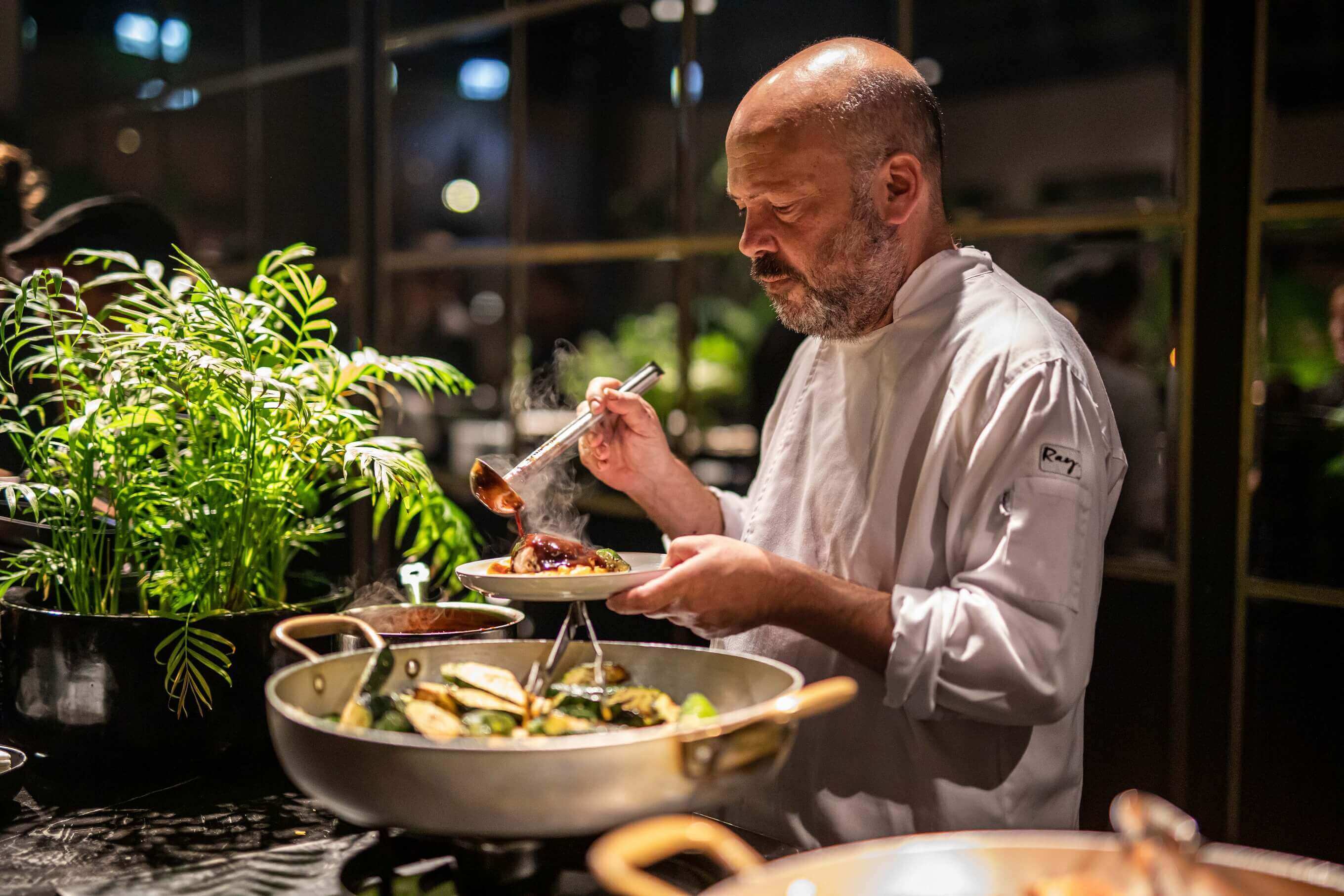
Ray is a high-end events venue in Jaffa running about 24 events a month, some with owner Ronen Levi. The CEO knew two numbers were off: Food Cost was too high, and 7 to 8% of the food hit the bin after every event. At that scale, every point of Food Cost is tens of thousands of shekels a month. Two bottlenecks drove it. Food Cost: purchasing ran on the chef's estimate, with no way to price a dish accurately or buy smart. Labor: agency-supplied staff did not know the flow and some simply did not show up, one missing worker every 2 to 3 events, with the manager losing hours each event morning to last-minute replacements.
The "the chef just knows" model is the catering default, and it breaks the moment you need to price and measure. Restaurant ERPs do not fit an events hall, so we built the methodology first and the software second, in two waves. Wave 1, a Food Cost system: a full catalog of 231 ingredients plus 41 bases and sauces, all weighed and priced, 122 dishes with recipes and serving ratios, a dynamic menu that adapts to guest count, event type and dietary needs, and real-time Food Cost that updates in seconds when a supplier price or headcount changes. Wave 2, tasks and workforce: a WhatsApp "coming today?" message to every worker each event morning, three-tier escalation (worker, then manager, then CEO), task reminders, and 22 recurring automated tasks, plus a role-based system for the chef, producer, kitchen (read-only per station), event manager, and graphics.
Food waste per event dropped from 7 to 8% to about 1% or zero, and Food Cost fell by more than 10 percentage points. No-shows that used to hit once every 2 to 3 events are now caught automatically by 6am, and the manager's hours of chasing staff dropped to near zero. Purchasing moved from the chef's estimate to exact quantities based on actual guest counts, and choosing a staffing company became data-driven instead of a gut call. Delivered in 4 months including rollout, Ray is now a living, growing partnership.
15K Filmmaker teaches photographers and video editors how to earn more, selling through free webinars that convert into paid coaching. The funnel captured signups, but the follow-up was unreliable. Reminders failed silently (one flow sent 0 of 157 with no alert), the CRM did not match what was actually happening, and there was no bridge from a webinar attendee to a paying, tracked client. At hundreds of signups per webinar, every dropped reminder and every unsynced payment is revenue leaking out of a funnel nobody could fully see.
We rebuilt the whole funnel as a typed automation backend wired to a Monday CRM and WhatsApp. Signups are captured with UTM attribution and auto-scheduled into Google Calendar and Meet. A multi-stage WhatsApp cascade (day before, hour before, five minutes out) drives attendance. When a payment lands, the lead flips to Won, a subscription is created, and a welcome message goes out, all automatically. Every task is idempotent, paced to WhatsApp's rate limits, and a Telegram bot alerts on any failure, so nothing fails silently again. We also shipped a conference microsite: landing page, PayPlus checkout, and CRM sync for a live photographers and editors conference.
Reminder fan-out now reaches everyone (190 of 190, zero skipped) instead of quietly dropping. A single re-engagement blast reached 724 of 735 contacts. The CRM grew to 735 contacts after a 458-lead migration, with automated reconciliation fixing 143 stale records on its first run. The live conference checkout brought in 124 paid guests and ₪19,990 in ticket sales, reconciled cleanly against payment records, and its 217-person WhatsApp broadcast went out with zero failures and zero duplicates.

De Club is a Tel Aviv wellness club, boxing, movement, recovery, and community across four floors, with hundreds of members. Its entire lead and operations stack ran through an opaque n8n workflow the team openly called "the black box": untyped, unversioned, untested. Referral submissions never reached the CRM. Coach payroll was pieced together by hand from Arbox class reports every month. Billing carried live-money bugs (eight duplicate invoices and ₪1,120 of phantom revenue from a payment webhook that fired twice). Member sync threw recurring errors. Nothing was observable, so when something broke, no one knew.
We replaced the black box with a typed automation platform, 23 modules covering the full member lifecycle. One intake task ingests every channel (site forms, referral form, WhatsApp, Instagram) with three-tier dedup and Hebrew-to-English name handling. A nurture sequence drips WhatsApp messages and walks each lead through the CRM on its own. Membership welcomes, session confirmations, and reminders pull live from Arbox across all floors. Coach payroll runs on the first of the month, computing pay per floor rate from actual completed classes and writing straight to a payroll board with per-coach emails. A nightly job keeps the CRM clean. Payment funnels (landing page, PayPlus, Rivhit invoicing) finalize asynchronously with idempotency guards, so a charge never double-fires again.
The referral funnel now runs about 199 leads a month and converts 30% straight to membership, the club's top source. Coach payroll, once fully manual, processes roughly ₪51,000 a month on its own. The nightly CRM cleanup runs ten for ten clean in about eight minutes. The duplicate-invoice bug was traced, credit-noted, and eliminated (zero same-day duplicates since, across about 180 monthly billing pairs). Over the period the paying base grew from 146 to 256 members, on a pipeline that is finally observable end to end.
NOX Vintage handcrafts A-grade leather sports and lifestyle goods, boxing gloves, bags, and more, positioned as heritage craft, "prestigious art in the wellness world." The brand read premium, but the store did not carry the weight. It was a generic Elementor-built WooCommerce site: SEO-hostile URLs, a jungle of stacked plugins, no coherent editorial identity, and not built mobile-first in a market that shops mostly on mobile. The DNA was there; the execution read like a template.
A full rebuild, not a patch. New stack: WordPress and WooCommerce with custom Gutenberg blocks and no page builder, a deliberately minimal plugin set, bilingual Hebrew (RTL) and English routing, PayPlus for Israeli checkout, and GA4, GTM, and Meta tracking, hosted on Cloudways. A locked brand system (a five-color palette, editorial typography, a simplified logo lockup) and a curated library of real NOX photography (five lifestyle shoots plus a full pack-shot catalog) replace the inconsistent stock imagery. The homepage is a heritage-editorial experience with a self-hosted hero video and scroll-driven reveals, engineered mobile-first for speed.
The rebuild is in its final stretch toward launch. The full development and deploy pipeline is live (GitHub to Cloudways to HTTPS), WooCommerce is configured for the Israeli market (currency, VAT, and shipping), and the brand and design system are locked. The result replaces a template storefront with one built to carry a third-generation leather house, ready to match the brand instead of undercutting it.

Caffe Tamati sells coffee through its own online store and had never spent a shekel on paid advertising: every sale came from word of mouth and Instagram. There was no analytics setup worth the name, so there was no way to know what a first shekel of ads would bring back. Around 14 shoppers a month reached checkout and never paid, thousands of shekels a month, and nobody followed up. And any future ad spend would be judged by the platform's own numbers, which later claimed roughly five times the purchases the books could verify.
We built the measurement foundation first, wiring GA4, GTM, the WooCommerce API and the Meta Marketing API so the store's own books became the source of truth before the first campaign ran. Then we built and run the Meta account from zero (retention, broad, lookalike and traffic) and report monthly on MER, store revenue over ad spend, rather than platform ROAS. On top of that we built a WhatsApp cart-recovery flow: every 15 minutes it checks the store for checkouts that stalled, waits so shoppers who pay on their own drop out, then sends a WhatsApp with a one-tap pay link and a single follow-up.
Store revenue doubled in the first month of campaigns, from about ₪17,300 a month to about ₪37,000, verified against the store's own books (2025 had no spring ramp, so it is not seasonality). Blended return runs around 6x net. New customers were up 53% window on window (46 against 30), on reporting the owner can actually trust. The WhatsApp flow recovers about one in three abandoned carts, median five hours from message to payment, and every recovery is reported next to the ad numbers.

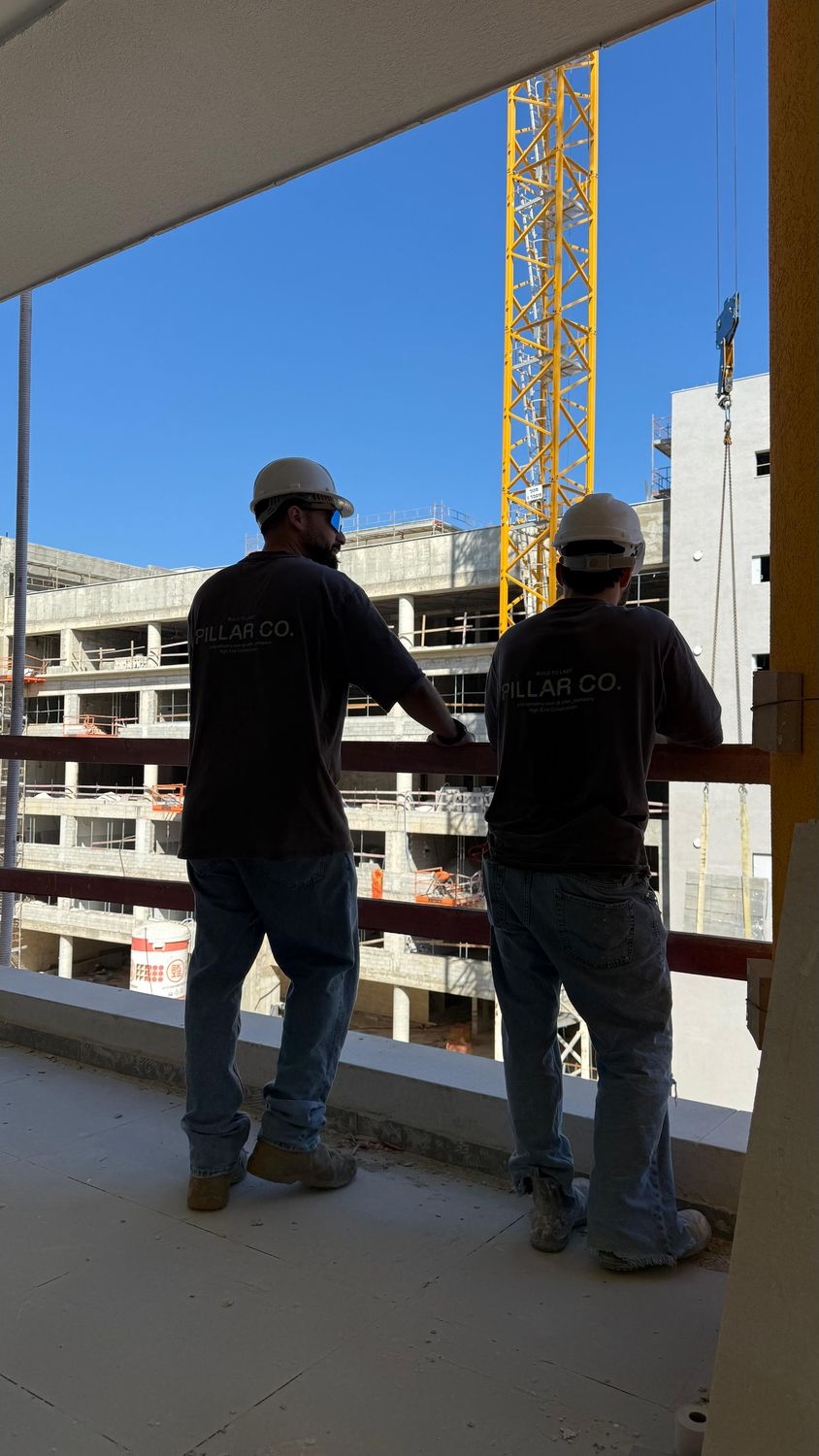
Pillar Co. runs several construction sites at once, and the numbers that decide whether a project makes or loses money lived in scattered spreadsheets, WhatsApp threads, and the project managers' heads. Budgets, subcontractor invoices, material orders, and site progress were reconciled by hand, so cost overruns surfaced weeks late, once they were already expensive to fix.
We built Pillar a single operations layer that pulls every site's budget, purchase orders, subcontractor costs, and progress into one live view. Invoices and material orders flow in automatically, get matched to the budget line they belong to, and flag any overrun the moment it appears. Automated weekly reports reach management with real cost-to-complete per project, so decisions run on current numbers instead of last month's.
Cost tracking that used to lag by weeks is now real time, so overruns get caught while they can still be fixed. Management sees a clear margin picture for every site each week without anyone building a report by hand, and the finance team got its days back. A calmer, more predictable way to run construction.
FinTalk came to Knightica with two challenges. First, a brand challenge: the agency spans two distinct disciplines (financial planning and insurance) and needed a single website that keeps a clear, unmistakable separation between the two practices while still reading as one agency with one identity, not two businesses sharing a page. Second, an operations challenge: leads arriving through the agency's referral-partner network were being handled informally and inconsistently, passed along through ad-hoc channels with no tracking and no ownership, and leads were falling through the cracks. Partners, for their part, had zero visibility into what happened to the leads they referred.
Knightica addressed each problem with a dedicated layer of the same platform. For the brand: the website opens on a split-screen choice between the two practice areas, each fronted by its own specialist, under a single shared brand. Choosing a path takes the visitor into a fully separate environment, dedicated positioning, a tailored product suite, a five-step client-journey walkthrough, and its own meeting-booking flow, so the two domains never blur, while the unified design language keeps it reading as one agency throughout. For operations: a secure partner portal on the same site, one login, two role-based experiences. Referral partners submit leads in a single structured format and track the status of every lead they've referred in real time; the administrator manages the full pipeline and partner network from a dedicated dashboard. Built on Supabase with database-enforced access separation and serverless infrastructure on Vercel, the platform syncs every lead automatically into the Surense CRM through a Make.com integration that routes each lead to the correct specialist, with built-in retry handling so no transmission is silently lost.
Both problems closed. Visitors now self-route to the right specialist from the very first screen of a site that presents two focused practices under one brand. The partner channel went from informal and leaky to a single structured pipeline: every lead is captured, tracked, automatically entered into the CRM, and assigned to the right specialist with no manual handling, full transparency for partners and a meaningfully more efficient operation for the agency. The complete solution, brand site through live CRM-connected portal, was delivered in weeks, not months.